Retention Pond Built to Stop Irrigation Runoff in Connell
When an irrigation pivot dumps water where it shouldn't go, it's not just a nuisance - it's a problem that compounds over time. Saturated ground, erosion, wasted water. Left alone, runoff like that can chew up productive acres and create headaches that are way harder to fix down the road.
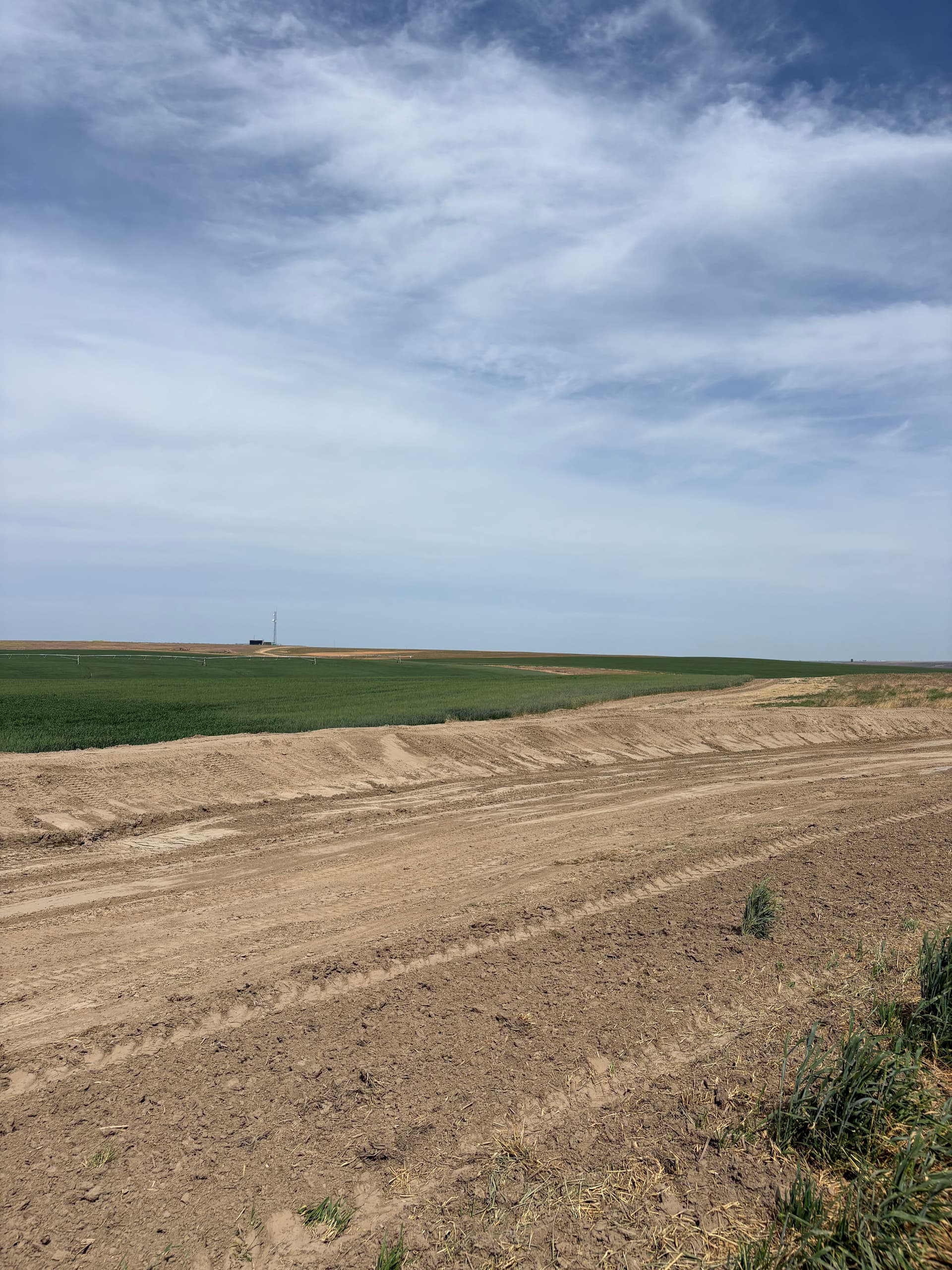
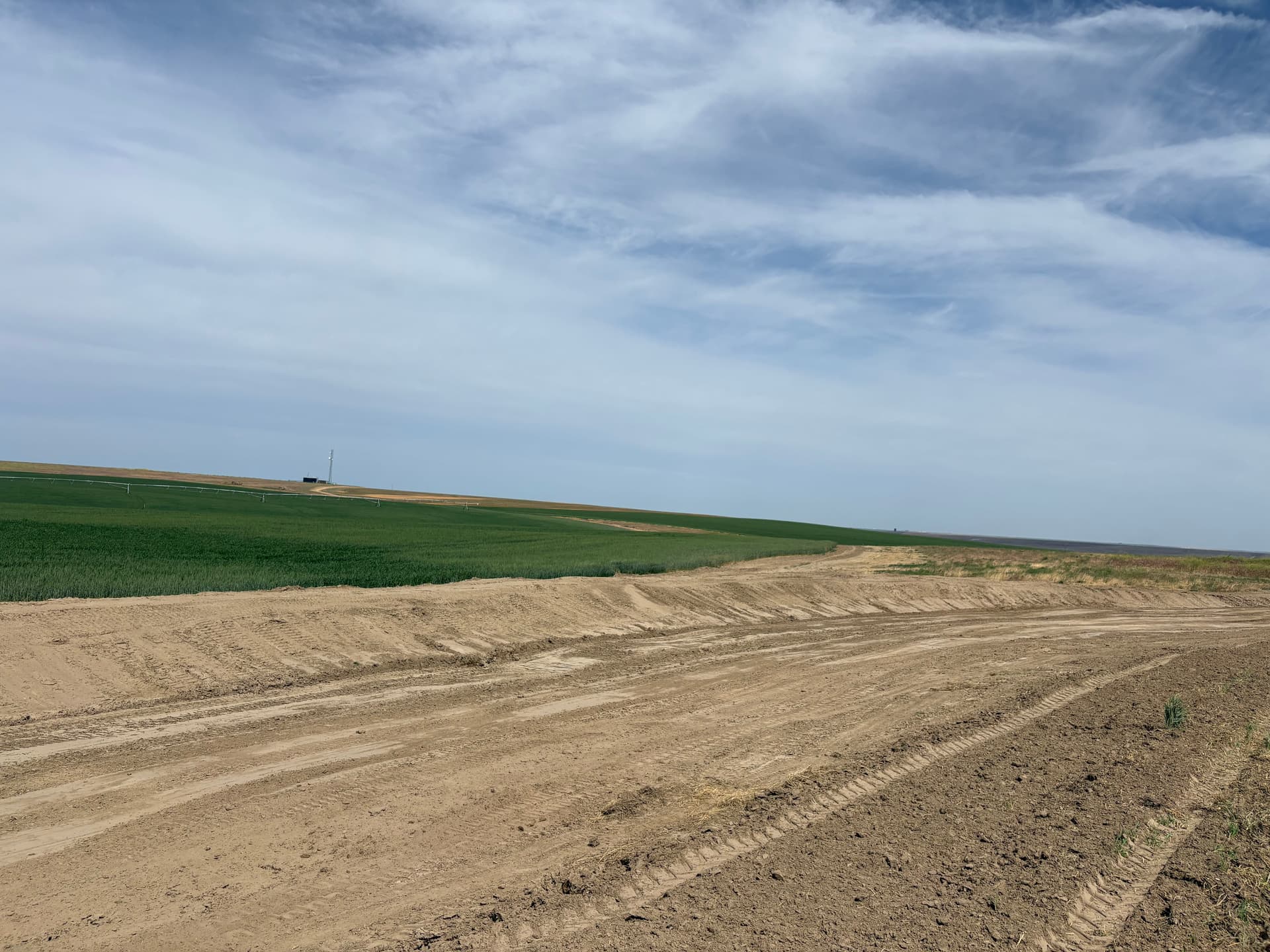
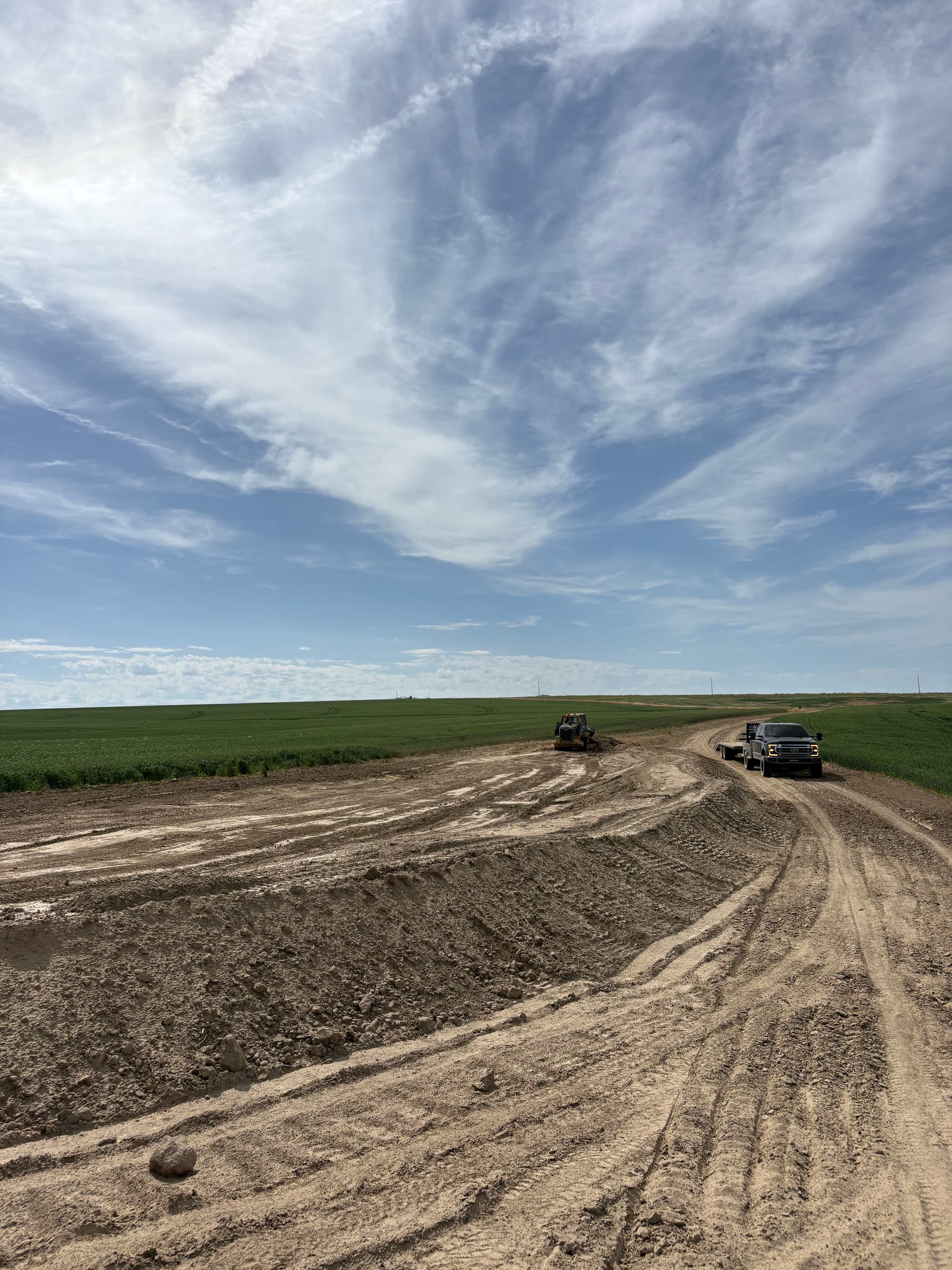
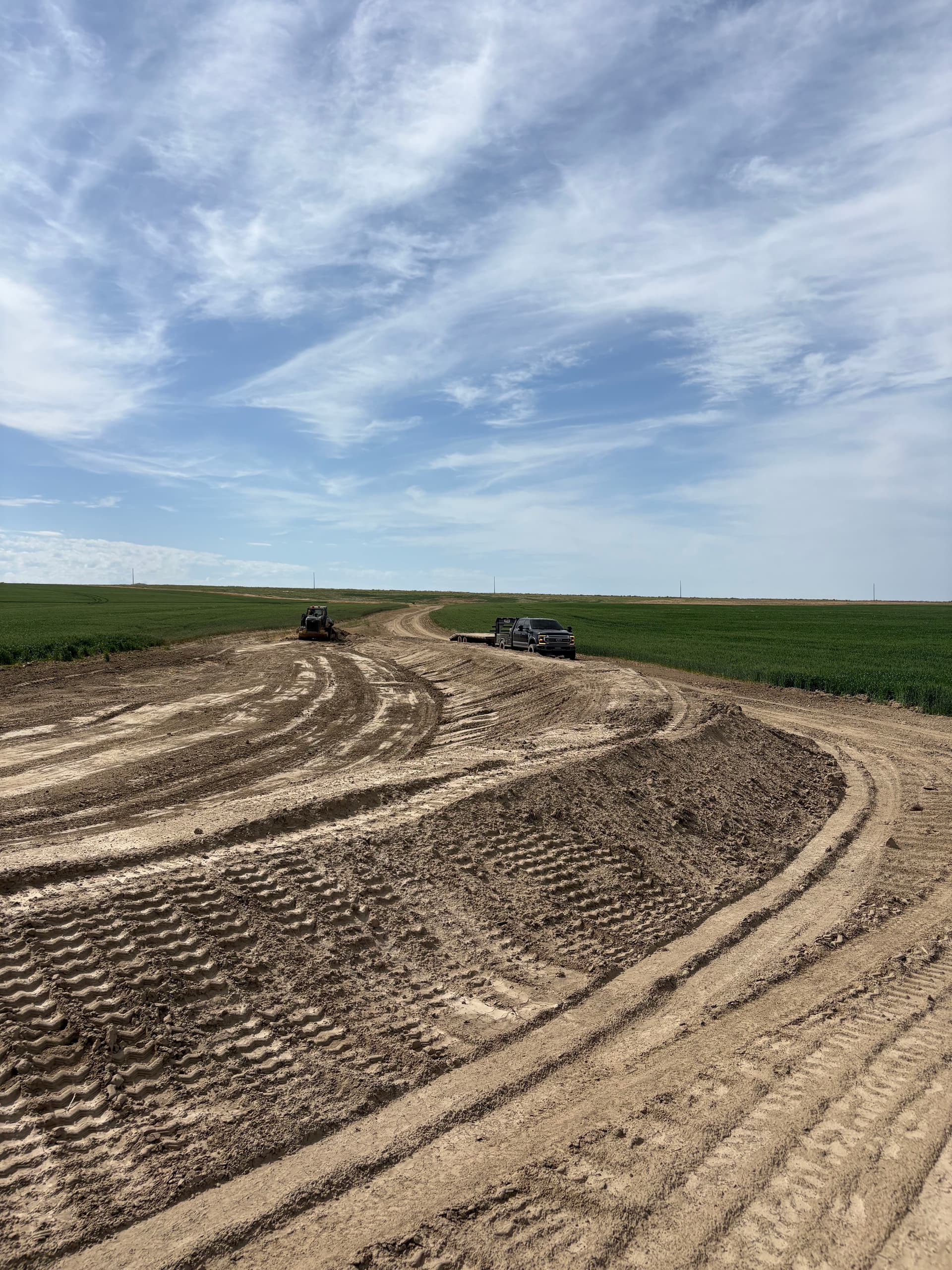
Out in Connell, that's exactly what we were dealing with. The land needed a dedicated place to capture and hold water coming off an irrigation pivot. So we got to work - grading, moving dirt, and shaping the ground into a retention pond that could actually do its job. This kind of dirt work takes more than just a machine and a blade. You have to read the land, understand where water wants to go, and build something that works with it instead of against it.
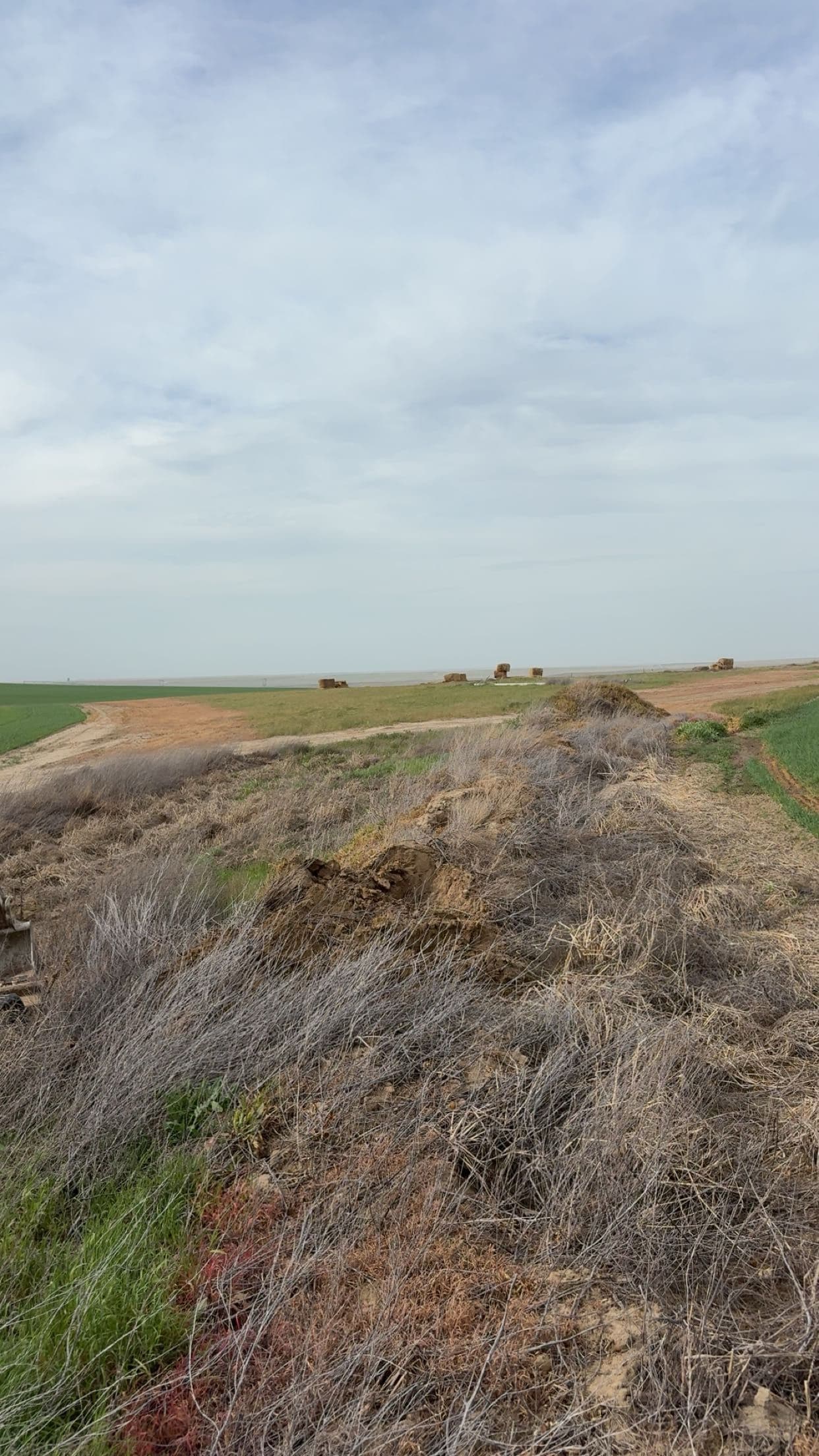
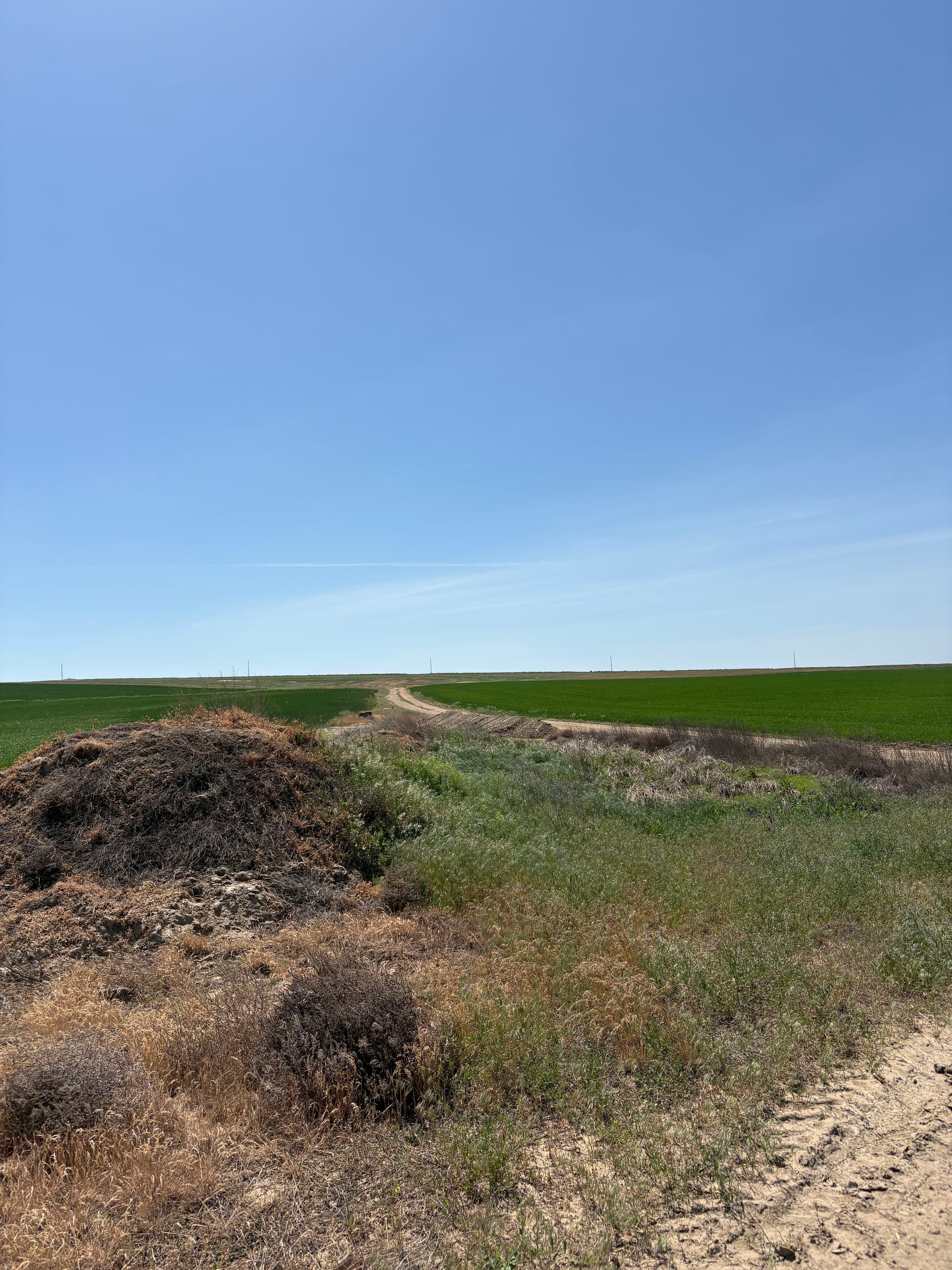
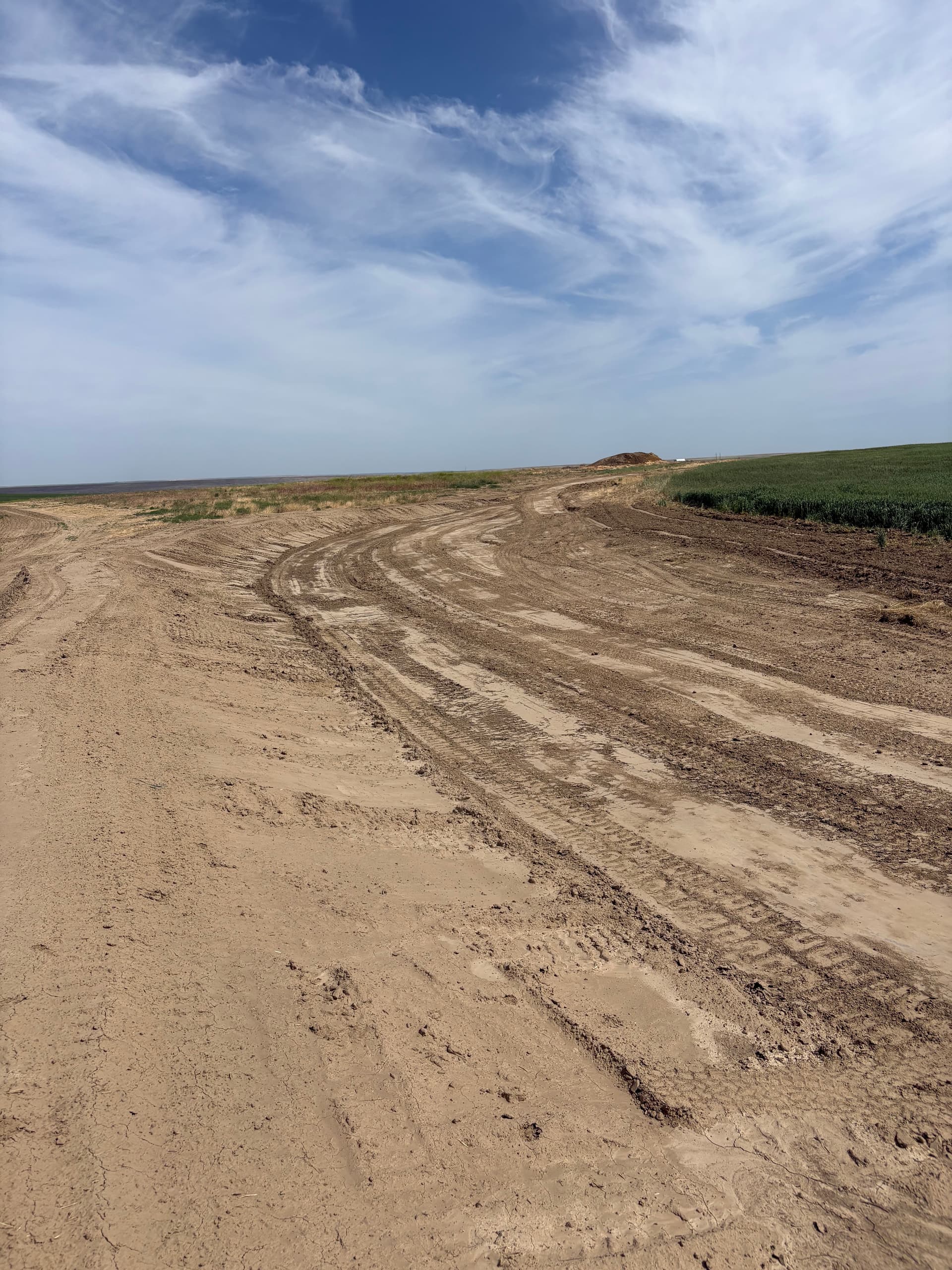
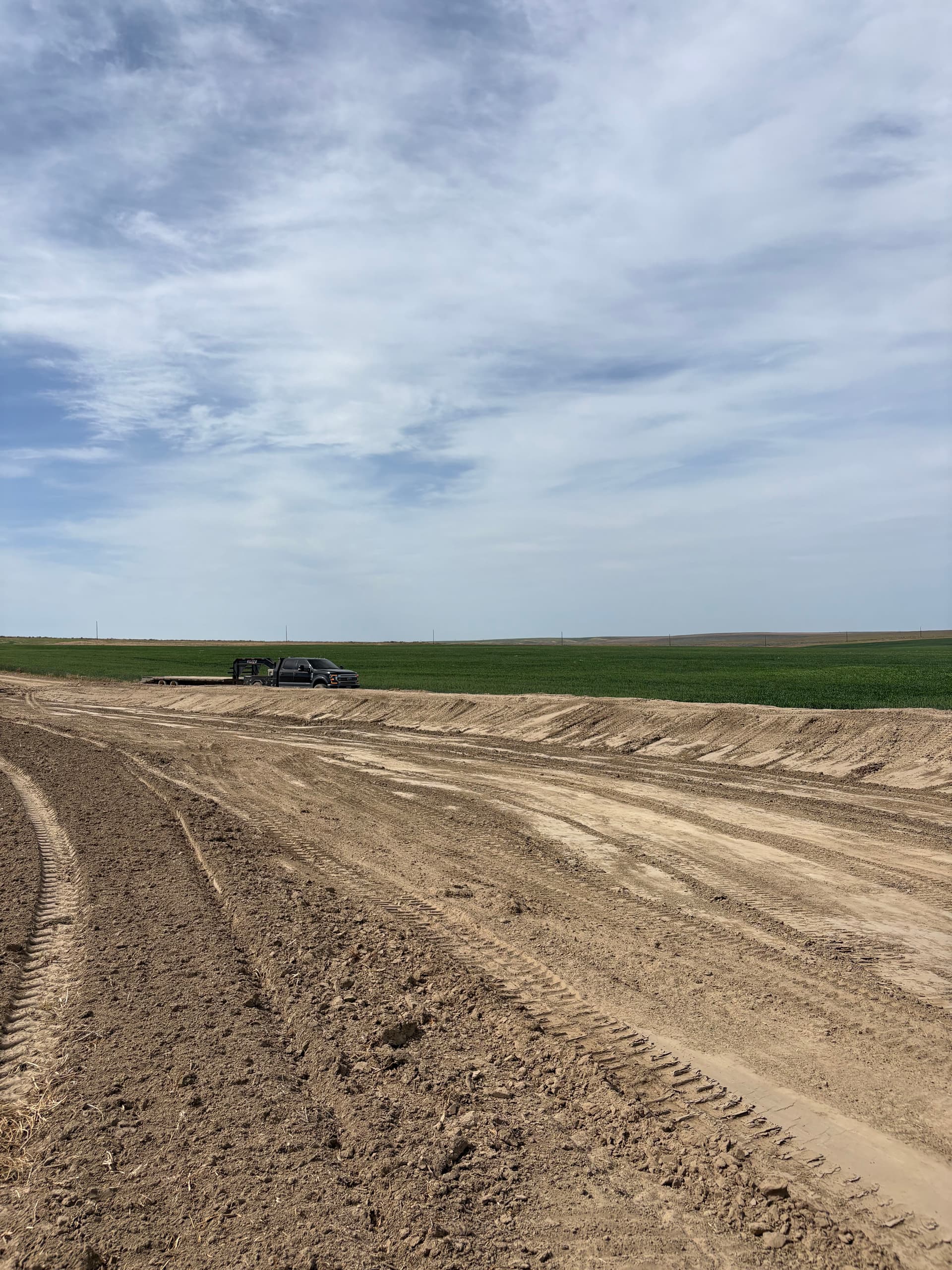
The site prep phase was no small task. You can see the scale of what was cleared and moved - dense brush stripped away, the basin taking shape pass by pass. Getting the grading right on something like this matters a lot. Too shallow and it won't hold. Wrong slope on the berms and you're back to square one. We take that seriously on every job.
What the farmer ends up with now is a system that actually controls where the water goes. The pond captures the runoff, keeps it off the surrounding ground, and lets the field stay productive. That's the whole point - not just digging a hole, but solving a real drainage problem that was costing somebody money every single time that pivot ran.
Agricultural drainage work like this is something we do a lot of, and every site is a little different. The terrain, the soil, the water source - it all factors in. If you've got water pooling where it shouldn't or runoff you can't get ahead of, this is exactly the kind of work we can help you sort out.